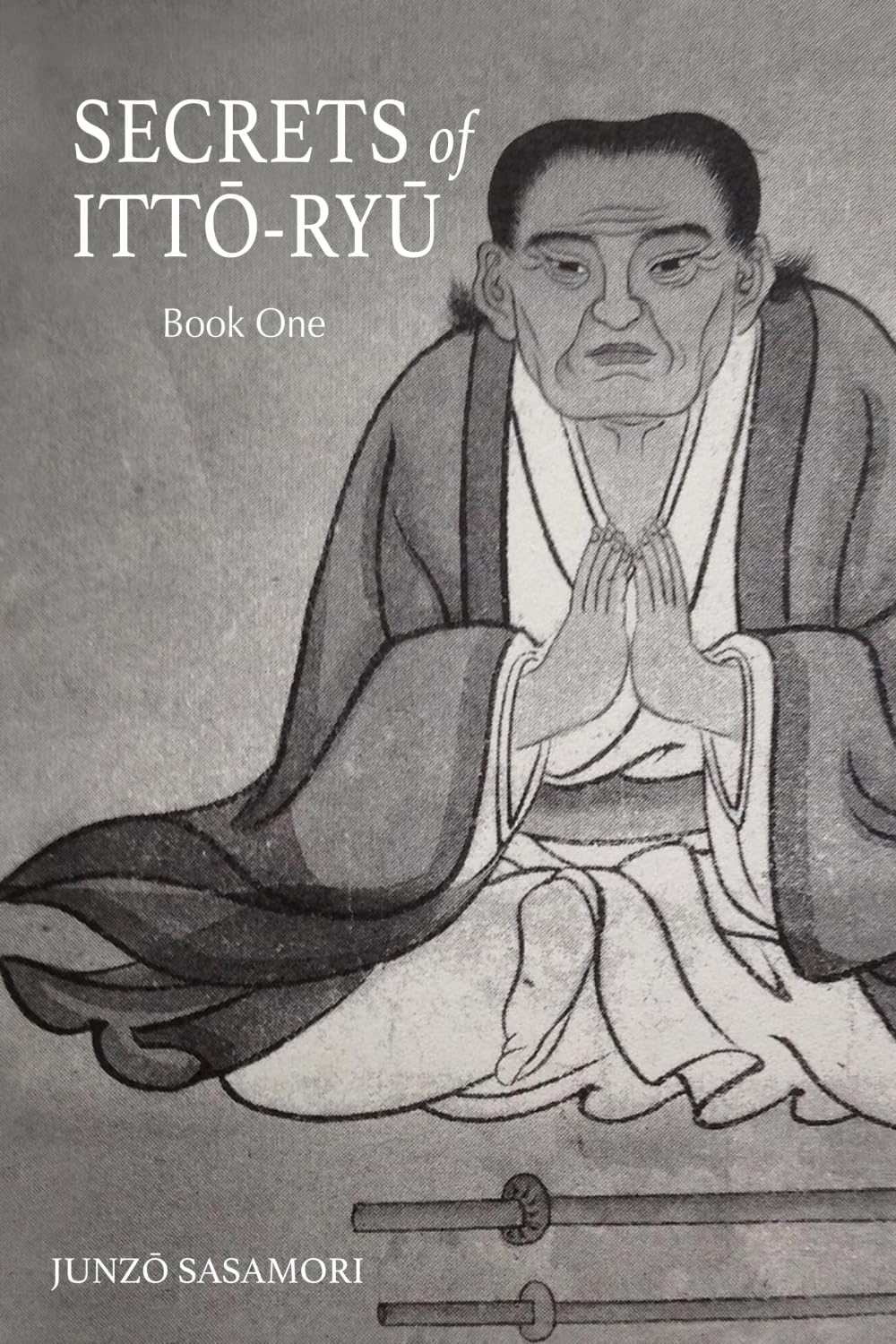



The first and only English translation of the once secret text on samurai swordsmanship by Sasamori Junzō, headmaster of the Ono-ha Ittō-ryū. Since it was first published in Japan in 1965, the Secrets of Ittō-ryū ( Ittō-ryū Gokui ) has served as the essential text of Ittō-ryū, one of the oldest and most prestigious schools of samurai strategy and swordsmanship in Japan. Readers unfamiliar with this school and its history will be surprised by how much it influenced the techniques and philosophy of the modern martial arts of kendo, aikido, and others. The author, Sasamori Junzō, was born into a samurai family a little over a decade after the warrior class was abolished. Well-known in the west as an expert in the sport of kendo, he was also the headmaster of three traditional schools of Japanese martial arts, chief among them Ono-ha Ittō-ryū. This book, Secrets of Ittō-ryū , distills his over seventy years of practice and painstaking study of not only the physical techniques but also the philosophical background and history of this 400-year-old school of fencing. This book, the first in a series, covers: An overview of Sasamori Junzō’s remarkable life and legacy. - The history of Ittō-ryū, from its roots in the Chujō-ryū to the present day, to include a lineage chart of its mainline, branches, and factions. - Details about the lives, adventures, and duels of Itō Ittōsai Kagehisa and his successor, Ono Jirōemon Tadaaki. - A who’s-who of Japanese historical figures related to the school, including shoguns, samurai, sword masters, philosophers, strategists, statesmen, and other luminaries such as: Oda Nobunaga, Tokugawa Ieyasu, Kanemaki Jisai, Obata Kagenori, Yamaga Sokō, Yamaoka Tesshū, and others. - Ono-ha Ittō-ryū’s influence on the development of modern kendo. - Historical records, correspondence, and notes documenting the lineage of the school, presented in English for the first time. With an extensive introduction and notes by the translator, Mark Hague, a long-time student of the author’s son Sasamori Takemi and the highest-ranking member of mainline Ono-ha Ittō-ryū outside of Japan, this highly readable translation is sure to become a key reference to those interested in Japanese culture, history, and the martial arts. A portion of the proceeds of the sales of these books will go to the Reigakudo Foundation in Japan, an organization committed to preserving Ono-ha Ittō-ryū and other martial arts for future generations. Secrets of Ittō-ryū: Book One is the first of a five-volume translation of Junzō Sasamori's masterwork on the Ittō-ryū school of Japanese swordsmanship. Book One focuses on the history of this pivotal sword school including its founder, Itō Ittōsai Kagehisa - known as one of the greatest swordsmen in late 16th century Japan - and his immediate successor, Ono Jirōemon Tadaaki - master swordsman of the early Tokugawa Shogunate who rivaled his contemporary, Yagyū Munenori. Mark Hague's informed translation of Sasamori's landmark work brings to life the Ittō-ryū's history, lore, masters, techniques, and philosophical/spiritual underpinnings. A "must read" for anyone interested in classical Japanese martial arts or modern kendo. - David A. Hall, Ph.D., author of Encyclopedia of Japanese Martial Arts The martial traditions of the Edo period were sectarian entities that guarded their secrets with blood oaths. When Japan abruptly arrived in the modern era, the martial arts followed, homogenizing into modern martial sports such as kendo and judo. Much of value ran the risk of being lost. Sasamori Junzō, the 16th soke of Ono-ha Ittō-ryū, rose to the occasion, writing a five-part book, Secrets of Ittō-ryū . He threw open the doors of Japan's most significant classical martial tradition and revealed its essence to the world. He realized that the values in martial traditions such as Ittō-ryū extended far beyond the development of a few tens of swordsmen, and that the best of the old schools could profoundly influence society in a positive manner. This, the first volume, ably translated by Mark Hague, focuses on the oral history of the school. The stories of the founders, Itō Ittōsai, Ono Tadaaki and their successors, are fascinating in their own right—the reader may find herself or himself transported to an imaginal realm much like that in Kurosawa's films. Beyond that, the reader will also note that these stories are teaching devices: they instruct the student on how to behave in a variety of situations, and provide hints of the strategies used to win combative engagements. - Ellis Amdur, Old School: Essays on Japanese Martial Traditions The international martial arts' community will be forever indebted to Mark Hague for offering a long-awaited English translation of Junzō Sasamori's Secrets of Ittō-ryū , undoubtedly the definitive guide to classic Japanese swordsmanship. The fruit of the translator's 20 years of Ono-ha Ittō-ryū study under the author's son and successor to the scho